Website Trust Signals: What Visitors Need Before They Act
A website can look polished, display customer logos and include several testimonials while still leaving visitors uncertain. Who is behind the business? Can its claims be checked? Is the evidence relevant to their situation? What will happen if they submit a form, create an account or make a payment?
Good website trust signals help answer those questions. They are not decorative badges added to make a page feel more credible. They are pieces of information that reduce a specific uncertainty at a specific point in the visitor’s decision.

Trust is not a section on the page
Trust develops across the page and through the wider journey. Visual quality may support an impression of care, but it cannot replace evidence of capability, accountability or clear expectations.
A useful distinction is:
- Claims describe what the business says or promises.
- Evidence gives visitors something relevant to assess.
- Risk-reduction information explains what happens if they decide to continue.
A simple working model is:
claim + relevant evidence + clear expectation = a stronger basis for trust
This is not a scoring formula. It is a way to ask whether the page gives visitors enough information to make a reasonable judgement.
The four questions behind website trust signals
Visitors do not always ask these questions consciously or in this order. They still need answers before a higher-risk decision.
1. “Is this a real and accountable business?”
Start with identity. Can visitors understand who operates the website and how to contact them?
Depending on the business, useful credibility indicators may include:
- a clear company or professional name;
- identifiable people or a team;
- working contact details;
- a location or service area where relevant;
- a specific About page;
- consistent company details across pages;
- current legal and policy information;
- an active, coherent external presence.
A team photo is not mandatory, and every business does not need to publish a private address. The required level of identification depends on the type and risk of the decision.
A consultancy asking for an expensive strategic engagement creates an information gap if it does not name the company, specialists or contact process. That does not prove anything dishonest; it simply leaves accountability unclear.
2. “Can they actually deliver what they promise?”
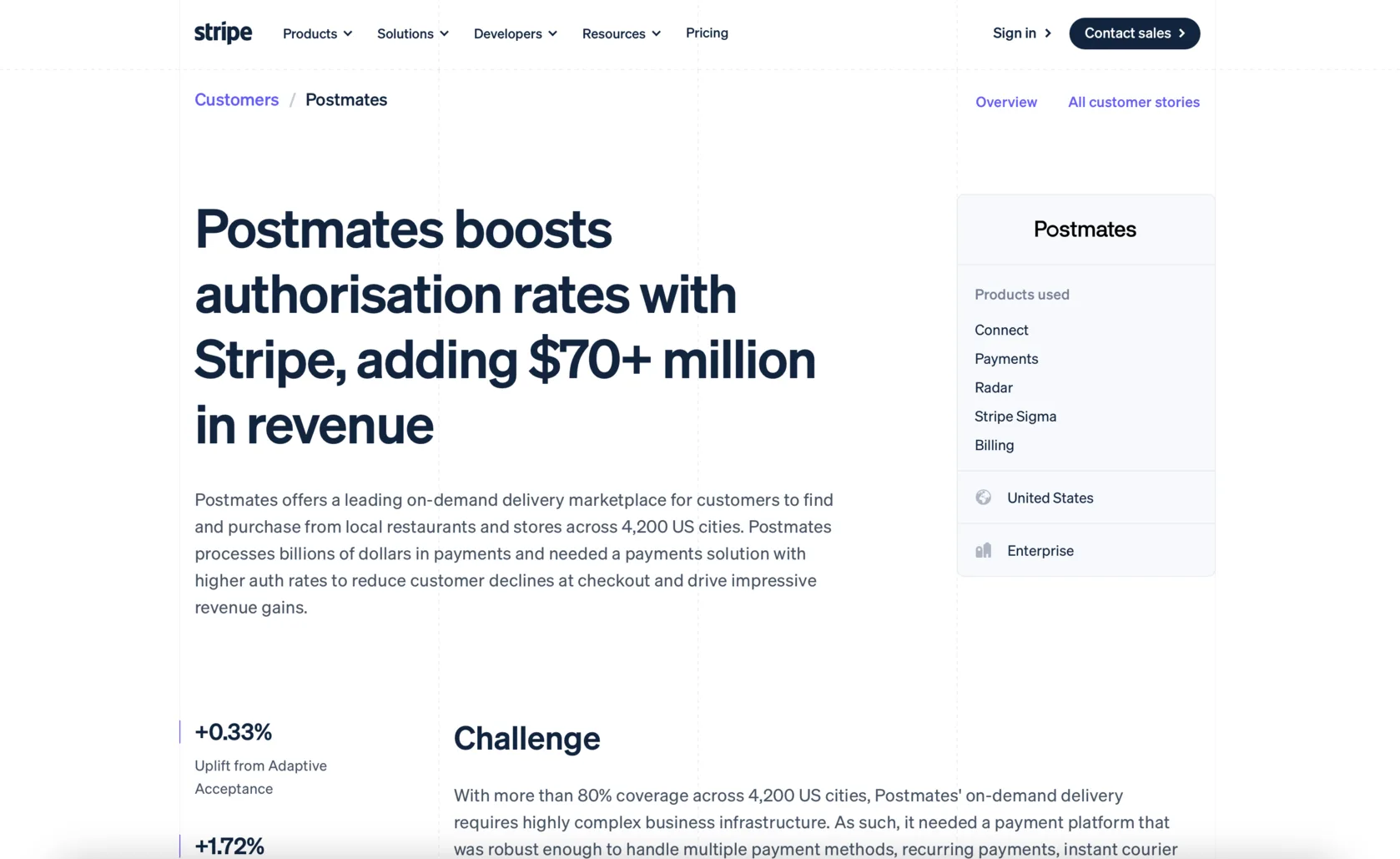
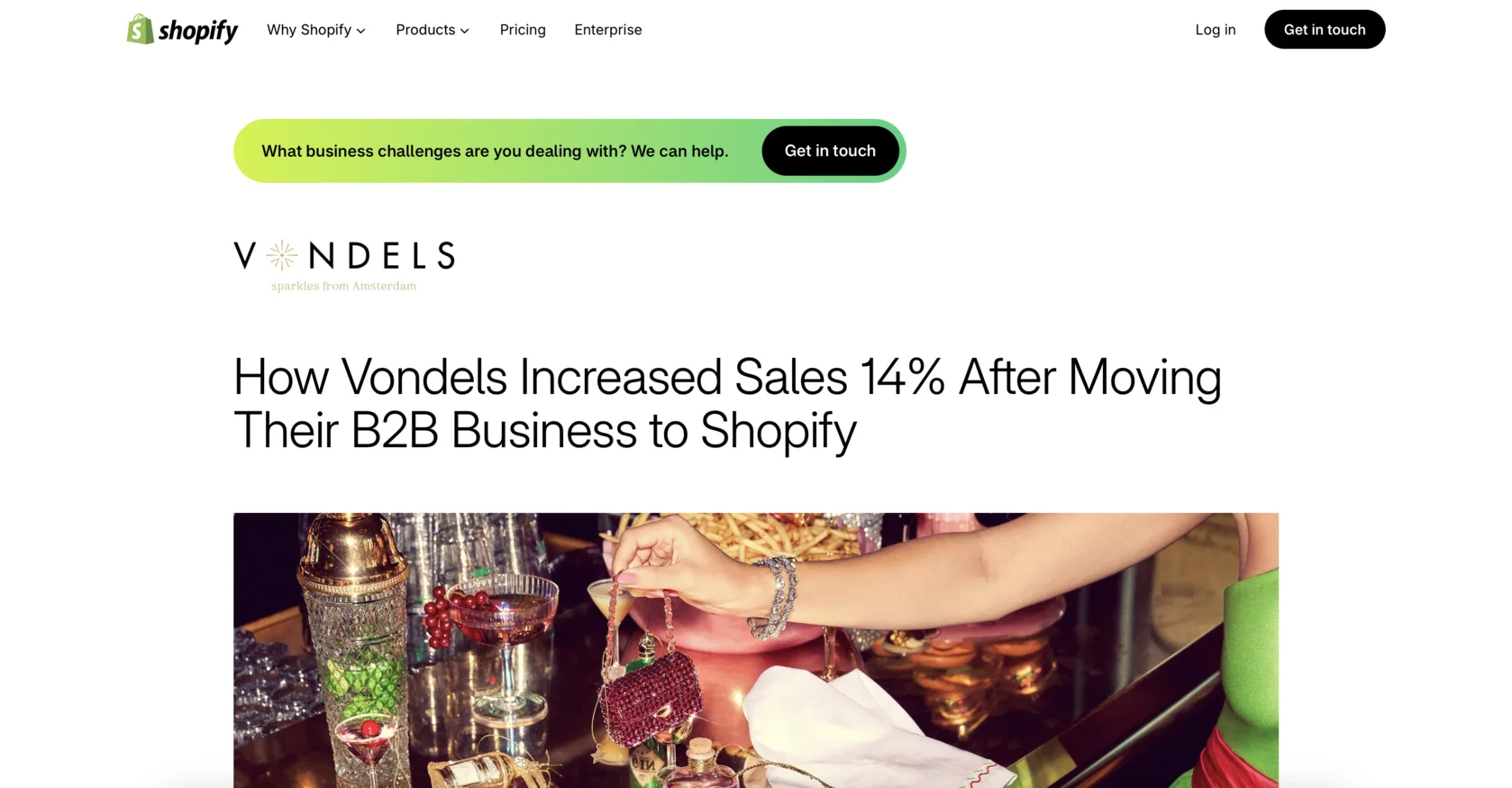
Next, look for evidence of capability. Relevant proof might include detailed case studies, realistic product demonstrations, work samples, contextual results, qualifications, certifications, customer reviews or an explanation of the working method.
The evidence should support the specific claim being made.
A claim such as We increase revenue is not adequately supported by a testimonial saying The team was pleasant and responsive. That may be useful evidence of service quality, but it does not demonstrate a financial outcome.
Keep these types of proof separate:
- service-quality evidence;
- business-outcome evidence;
- expertise evidence;
- popularity evidence.
A large number of users may suggest popularity. It does not automatically prove that the product is suitable for a particular visitor or that the promised outcome will occur.
3. “Has this worked for someone like me?”
Proof becomes more useful when visitors can recognise their own situation in it.
Review testimonials, reviews and case studies for:
- relevance to the offered product or service;
- similarity of customer context;
- clarity about what was purchased;
- specificity of the described result;
- identifiable reviewer information;
- current and credible details;
- coverage of important use cases.
“Great team!” is difficult to evaluate. A review explaining the customer’s starting problem, the work completed and the resulting change offers more decision support.
A testimonial can be genuine and still be irrelevant. Likewise, a logo wall may show that a company has worked with recognisable organisations without explaining whether it solved a problem similar to the visitor’s.
4. “What happens if I decide to act?”
Trust often weakens when the action remains unpredictable. Visitors may need to know what happens after an enquiry, how quickly someone responds, whether a trial requires a payment method or when implementation begins.
Depending on the decision, useful information may include:
- the next steps after submitting a form;
- response-time expectations;
- pricing or commitment context;
- trial, cancellation and refund terms;
- delivery or implementation timing;
- support availability;
- privacy and data-use explanations;
- guarantees and their actual conditions.
A button labelled Start free creates avoidable uncertainty if the visitor cannot tell whether a card is required or when a paid subscription begins.
The full explanation does not need to sit beside every button. At the decision point, however, the most material condition should be visible or easy to find.
Match the evidence to the doubt
The location of a trust signal matters. Evidence is most useful where the related uncertainty or decision appears.
| Visitor uncertainty | Evidence that may help | Suitable placement |
|---|---|---|
| Can this team deliver the promised result? | Relevant case study with context | Near the related service or outcome claim |
| What happens after I enquire? | Process steps and response expectations | Before or beside the enquiry action |
| Is payment or signup safe? | Pricing, security and cancellation information | Near the payment or signup action |
| Why do you need my information? | Clear privacy and data-use explanation | Near the form requesting it |
| Who provides this specialist service? | Named experts and relevant credentials | On the service page before commitment |
| Will this product work in practice? | Demonstration, preview or realistic example | Near the product claim |
Do not collect every logo, badge and testimonial into one long section at the bottom of the page. A homepage logo wall cannot compensate for missing evidence on a pricing, service or enquiry page.
Website trust signals that can backfire
Most of these elements are not automatically deceptive. They can weaken credibility when they appear unverifiable, outdated, irrelevant or manipulative.
- Anonymous testimonials give visitors no way to understand who is speaking.
- Stock portraits presented as customers can make genuine reviews look staged.
- Large statistics without a source, timeframe or definition are difficult to interpret.
- Outdated awards and certifications suggest that the page is not maintained.
- Unfamiliar badges have little value if visitors cannot identify or verify them.
- Huge logo walls may distract from the absence of relevant proof.
- Reviews with identical wording and tone can look copied or curated.
- Fake countdown timers and artificial scarcity create pressure instead of confidence.
- “Trusted by thousands” is weak when the number and basis are unexplained.
- Guarantees with hidden conditions can increase suspicion rather than reduce risk.
The issue is not the presence of a particular element. The issue is whether the visitor can understand what it proves and whether the proof deserves confidence.
A practical claim-to-evidence exercise
Choose three to five important claims from your website. For each one, write down what a reasonable visitor might need to verify.
- Claim on the website
- “Our platform reduces reporting time”
- What might a visitor need to verify?
- Is the improvement measurable and in what context?
- Best available evidence
- Before-and-after results from a comparable customer
- Where should it appear?
- Product page near the claim
- Claim on the website
- “Expert financial guidance”
- What might a visitor need to verify?
- Who provides it and what qualifies them?
- Best available evidence
- Named specialists and relevant credentials
- Where should it appear?
- Service page before the enquiry action
- Claim on the website
- “Start free”
- What might a visitor need to verify?
- What commitment follows?
- Best available evidence
- Trial length, card requirement and cancellation terms
- Where should it appear?
- Beside the free signup action
These examples show the method, not ready-made claims to copy.
If you cannot find suitable evidence for an important promise, you have three options:
- collect relevant evidence;
- make the claim more specific and cautious;
- remove a promise that cannot be supported.
The compact website trust signals checklist
Answer Yes, Partly, No or Not applicable:
Is it clear which company or person operates the website?
- Yes
- Partly
- No
- Not applicable
Can visitors find working contact details and relevant business information?
- Yes
- Partly
- No
- Not applicable
Are important claims supported by specific evidence?
- Yes
- Partly
- No
- Not applicable
Does the evidence support the exact claim being made?
- Yes
- Partly
- No
- Not applicable
Are reviews, testimonials and cases relevant to the offer and audience?
- Yes
- Partly
- No
- Not applicable
Can important numbers, credentials, badges or awards be checked?
- Yes
- Partly
- No
- Not applicable
Does evidence appear near the doubt or decision it supports?
- Yes
- Partly
- No
- Not applicable
Can visitors understand what happens after an enquiry, registration or purchase?
- Yes
- Partly
- No
- Not applicable
Are there elements that look fake, outdated, manipulative or contradictory?
- Yes
- Partly
- No
- Not applicable
A Partly answer does not necessarily mean the website is untrustworthy. It usually points to a lack of specificity, relevance or placement. A No answer about business identity, material claims, payment conditions or data handling deserves more attention than the absence of one additional testimonial.
What deserves attention first?
Begin with information connected to real risk: misleading claims, hidden conditions, unverifiable business identity and missing payment, privacy or commitment details. Also fix evidence that contradicts the promise it is supposed to support.
Then improve the relevance and placement of proof that already exists. Only after that should you add more logos, testimonials or decorative trust elements.
The goal is not to make the website look more trustworthy. It is to give visitors better grounds for evaluating the company, the offer and the consequences of continuing.
When more proof is not the answer
A credibility problem may actually begin somewhere else. The offer may be unclear, the price may be hidden, the CTA may appear too early or the conversion path may be broken. The traffic may also be arriving with expectations the page does not address.
Adding a review beside a vague or exaggerated claim does not necessarily solve the underlying problem. Sometimes the right correction is to narrow the promise, explain the process or remove information that cannot be substantiated.
Give visitors reasons, not instructions, to trust you
Trust cannot be demanded by a badge, a slogan or a row of logos. A website can only provide enough relevant information for visitors to assess the business, the promise and the risk of continuing.
Strong website trust signals connect a specific claim with appropriate evidence and clear expectations. Review them across the points where people make decisions: service evaluation, pricing, forms, registration and payment.
The most useful question is not “How many trust elements do we have?” It is “What does this visitor still need to believe, verify or understand before taking the next step?”
Common questions about website trust signals
What are trust signals on a website?
Trust signals are pieces of information that help visitors assess a business, its claims and the risk of continuing. They may include company details, relevant proof, credentials, process information, pricing context or privacy explanations.
Do trust badges make a website more trustworthy?
Not automatically. A badge helps only when visitors recognise what it represents, can verify it and consider it relevant to the decision. An unexplained or outdated badge may add little value.
How many testimonials should a website have?
There is no universal number. Relevance, specificity and coverage of important decisions matter more than volume. A few detailed, credible examples may provide more useful evidence than many generic comments.